
Announcing the 25 prize winners from our 7th annual online poster event
The 7th Commonwealth Chemistry Posters brought together an impressive community of early career chemists from across the Commonwealth, highlighting the role of chemistry in addressing the world’s most pressing challenges. Here we announce our poster prize winners 2026.
This year, we welcomed 185 poster presentations from researchers representing 25 Commonwealth countries. Over the course of the event, participants shared innovative research, exchanged ideas, and forged new connections through our three live networking and presentation sessions. The level of engagement throughout the event was exceptional, with lively discussions demonstrating the value of bringing together chemists from diverse backgrounds and regions.
The quality of the research and presentations was outstanding. Our judges were inspired by the creativity, scientific excellence, and enthusiasm demonstrated by presenters, making the task of selecting prize winners particularly challenging.
We are proud to announce the 25 winners across our 5 SDG themes:
- Responsible Energy (SDGs 7 and 12)
- Clean Water and Sanitation (SDG 6)
- Sustainable Planet (SDGs 2, 11, 13, 14 and 15)
- Good Health and Wellbeing (SDG 3)
- Community, Education and Industry (SDGs 1, 4, 5, 8, 9, 10, 16 and 17)
Together, these 25 early career researchers from 15 Commonwealth nations showcase the breadth, quality, and diversity of chemical sciences research taking place across the Commonwealth today. Their work demonstrates the significant contribution that chemistry is making towards achieving the Sustainable Development Goals and addressing shared global challenges.
We warmly congratulate all of our prize winners and extend our sincere thanks to every presenter who contributed to this year’s event. Additionally, we would also like to acknowledge the invaluable support of our session chairs and judges, whose expertise and commitment helped make the event such a success
 Responsible Energy
We received 28 posters in the Responsible Energy theme and awarded three prizes. You can view them in our online gallery.
Responsible Energy prize winners
The three winners in the Responsible Energy theme are:
Uzma Hira
University of the Punjab, Lahore, New Zealand
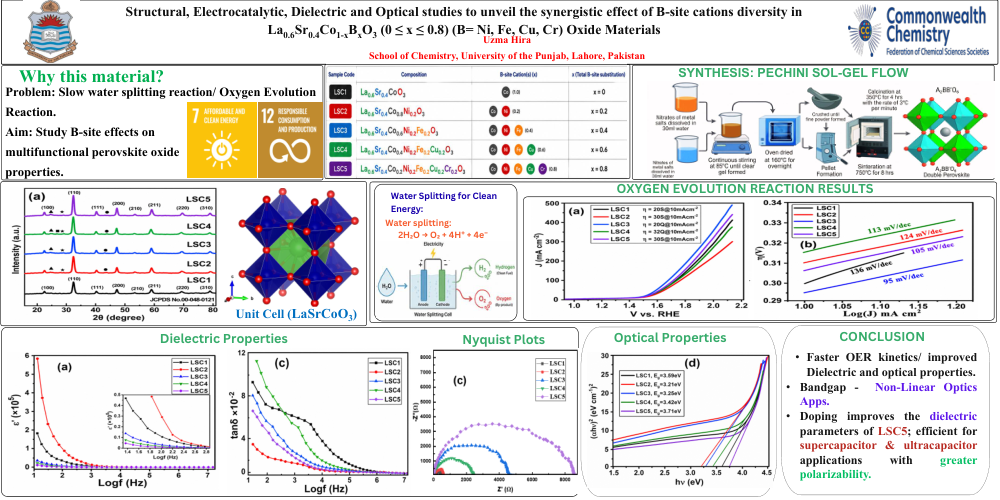
We recognise Uzma Hira for their work on Structural and electrocatalytic studies to unveil the synergistic effect of B‑site cations diversity in La0.6Sr0.4Co1‑xBxO3 (B = Ni, Fe, Cu, Cr) materials.
Faseeh Akbar
Lahore University of Management Sciences, Pakistan
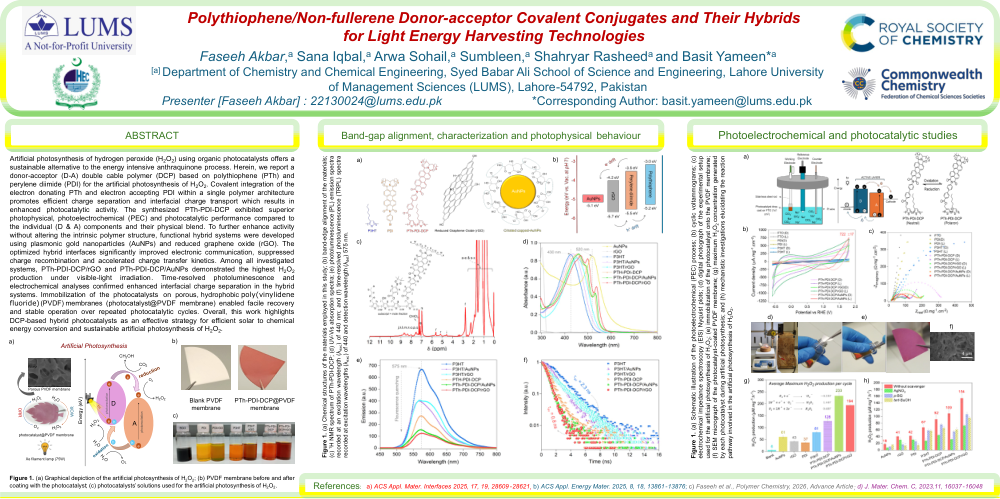
We recognise Faseeh Akbar for their work on Polythiophene/Non-fullerene Donor-acceptor Covalent Conjugates and Their Hybrids for Light Energy Harvesting Technologies.
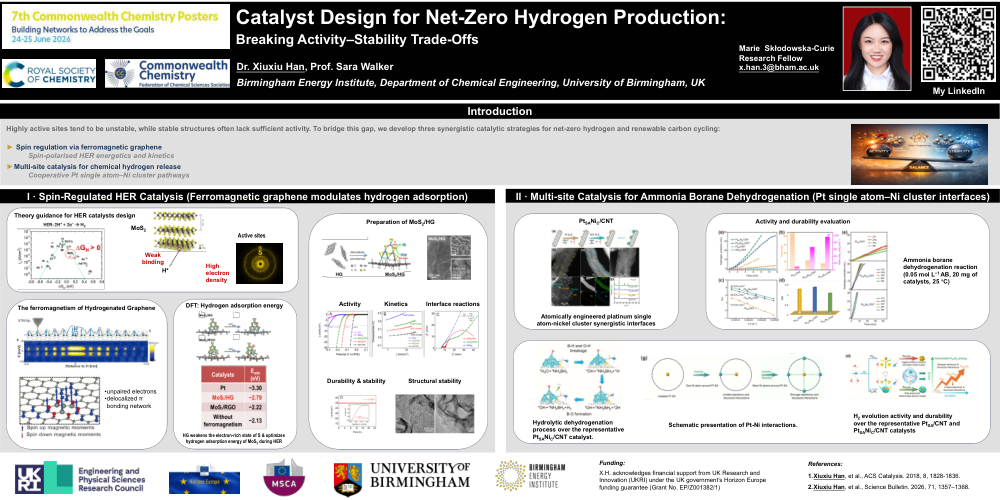
Xiuxiu Han
University of Birmingham, United Kingdom
We recognise Xiuxiu Han for their work on Catalyst Design for Net-Zero Hydrogen Production.
 Clean Water and Sanitation
41 posters were received in the Clean Water and Sanitation theme and awarded five prizes. You can view them in our online gallery.
Clean Water and Sanitation prize winners
The five winners in the Clean Water and Sanitation theme are:
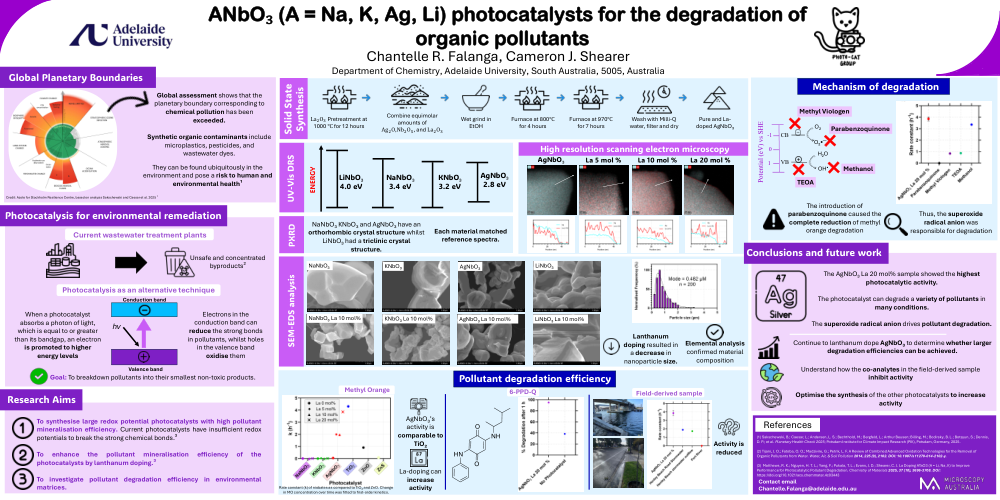
Chantelle Falanga
Adelaide University, Australia
We recognise Chantelle Falanga for their work on ANbO₃ (A = Li, Na, K, Ag) photocatalysts for the degradation of organic pollutants.
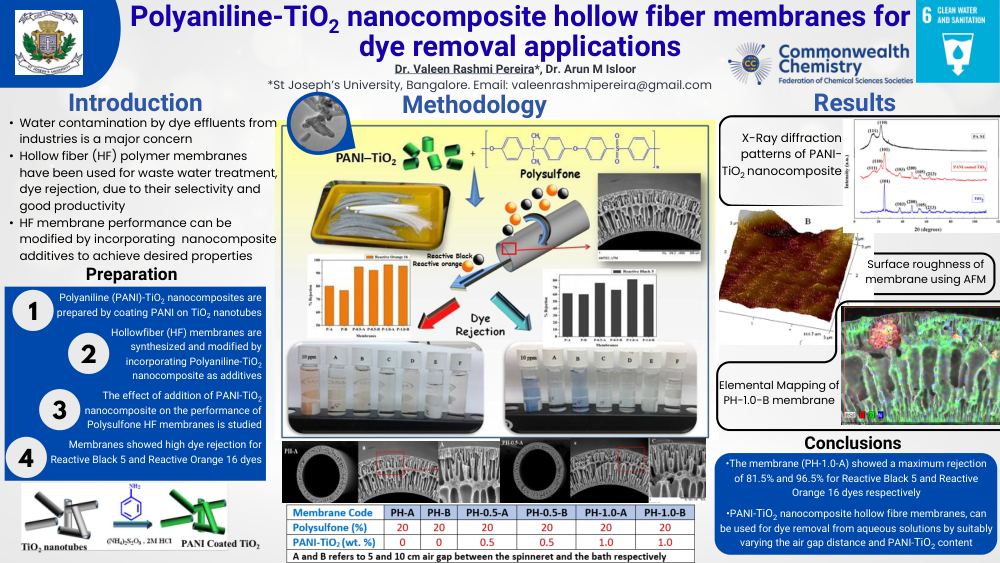
Valeen Rashmi Pereira
St Joseph’s University, Bangalore, India
We recognise Valeen Rashmi Pereira for their work on Polyaniline-TiO₂ nanocomposite hollow fibre membranes for dye removal applications.
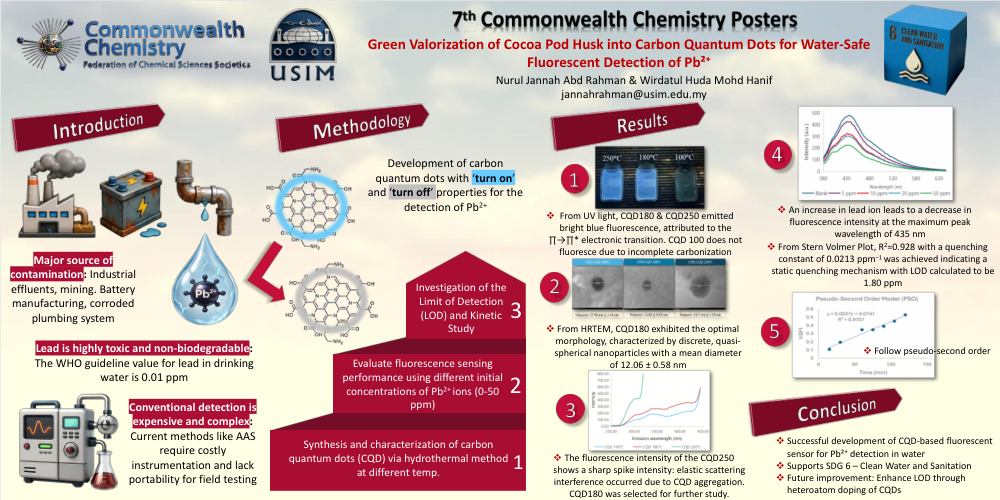
Nurul Jannah Abd Rahman
Universiti Sains Islam Malaysia, Malaysia
Nurul Jannah Abd Rahman is recognised for their work on Green Valorisation of Cocoa Pod Husk into Carbon Quantum Dots for Water-Safe Fluorescent Detection of Pb²⁺.
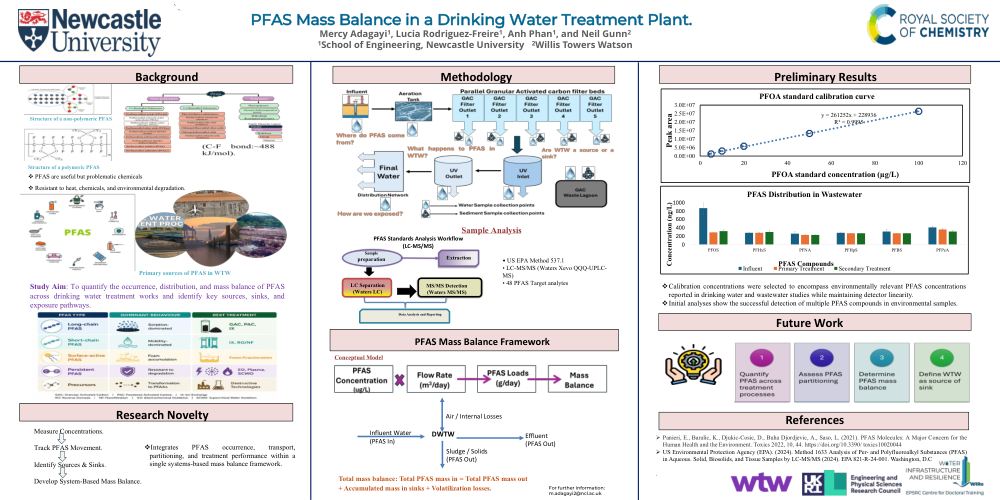
Mercy Adagayi
Newcastle University, United Kingdom
We recognise Mercy Adagayi for their work on PFAS mass balance in a drinking water treatment plant.
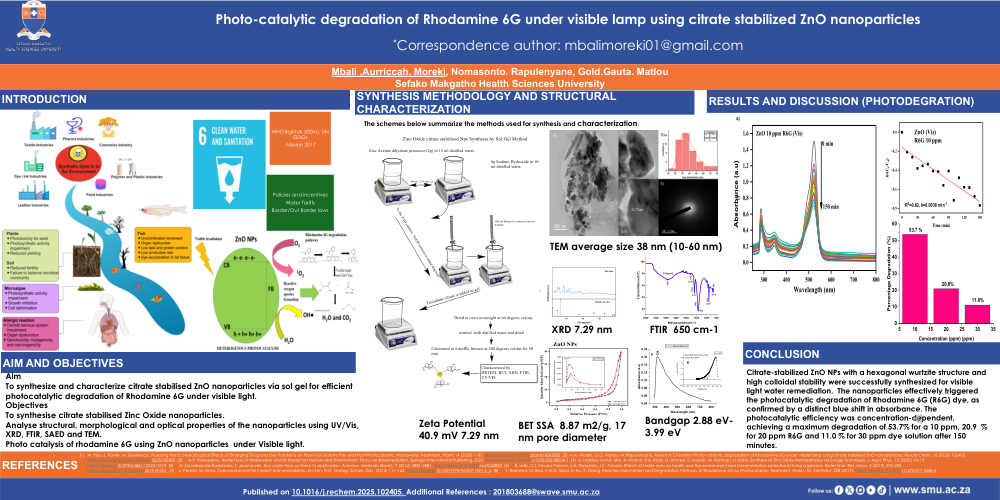
Mbali Moreki
Sefako Makgatho Health Sciences University, South Africa
We recognise Mbali Morekifor their work on Photo-catalytic degradation of Rhodamine 6G under visible lamp using citrate stabilized ZnO nanoparticles.
 Sustainable Planet
36 posters were received in the Sustainable Planet theme and awarded five prizes. You can view them in our online gallery.
Sustainable Planet prize winners
The five winners in the Sustainable Planet theme are:
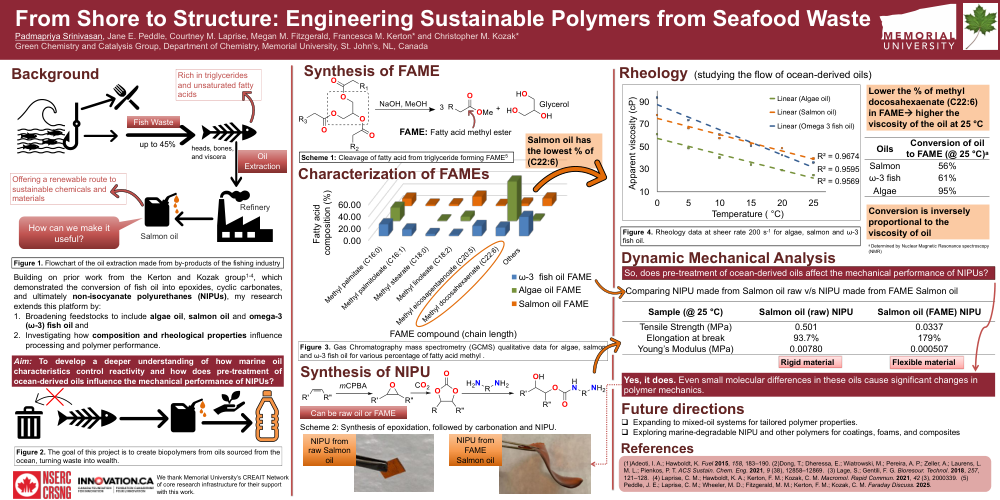
Padmapriya Srinivasan
Memorial University of Newfoundland, Canada
We recognise Padmapriya Srinivasan for their work on From Shore to Structure: Engineering Sustainable Polymers from Seafood Waste.
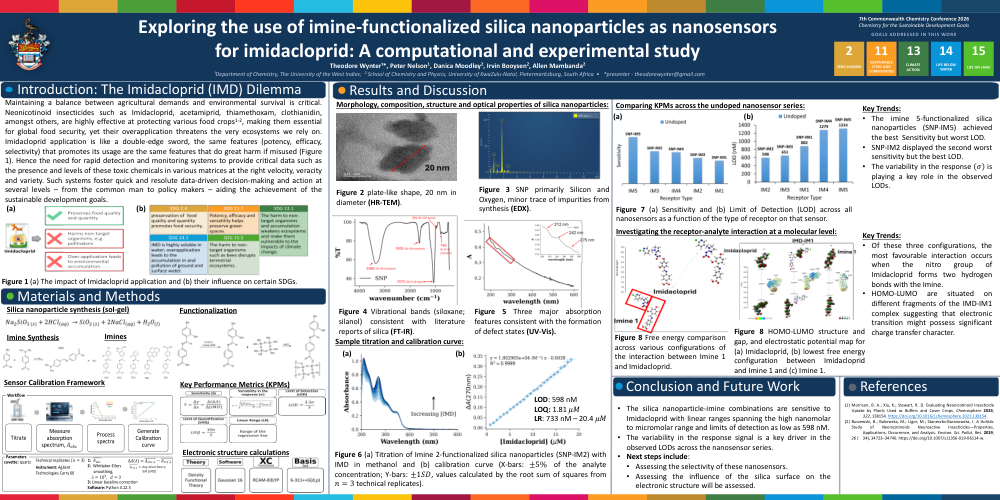
Theodore Wynter
University of the West Indies, Jamaica
We recognise Theodore Wynter for their work on Exploring the use of imine-functionalized silica nanoparticles as nanosensors for imidacloprid: A computational and experimental study.
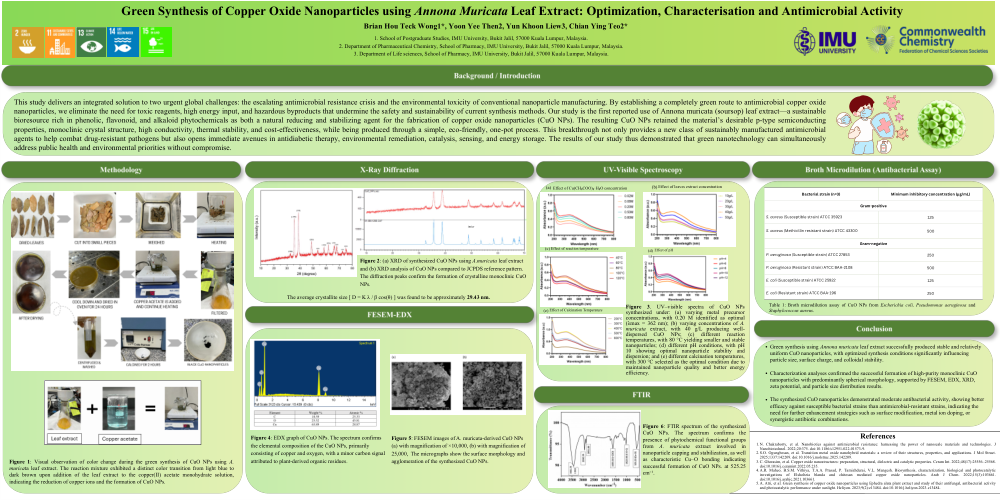
Brian Wong Hou Teck
IMU University, Malaysia
Brian Wong Hou Teck is recognised for their work on Green synthesis of copper oxide nanoparticles using Annona muricata leaf extract: optimization, characterization and antimicrobial activity.
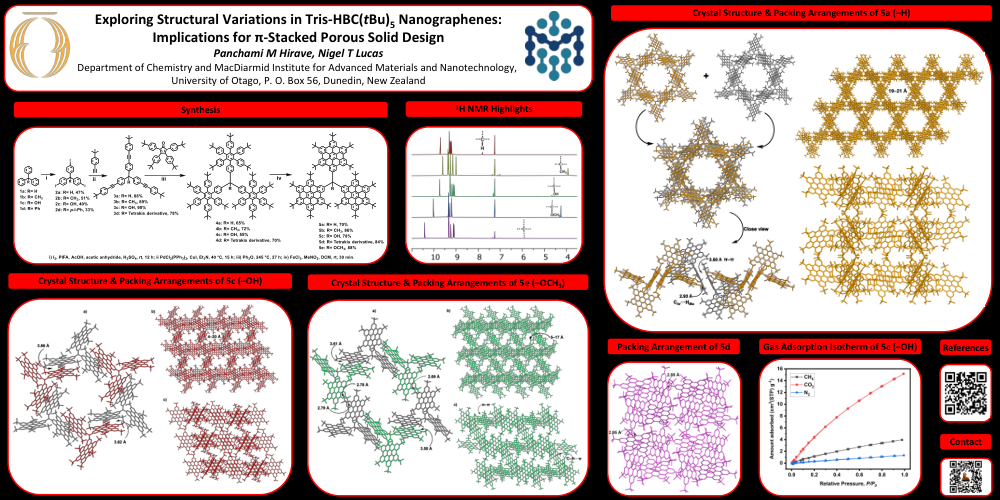
Panchami Mukund Hirave
University of Otago, New Zealand
We recognise Panchami Mukund Hirave for their work on Exploring Structural Variations in Tris-HBC Nanographenes: Implications for Pi-Stacked Porous Solid Design.
Bamikole Walter Osungbemiro
University of Strathclyde, United Kingdom
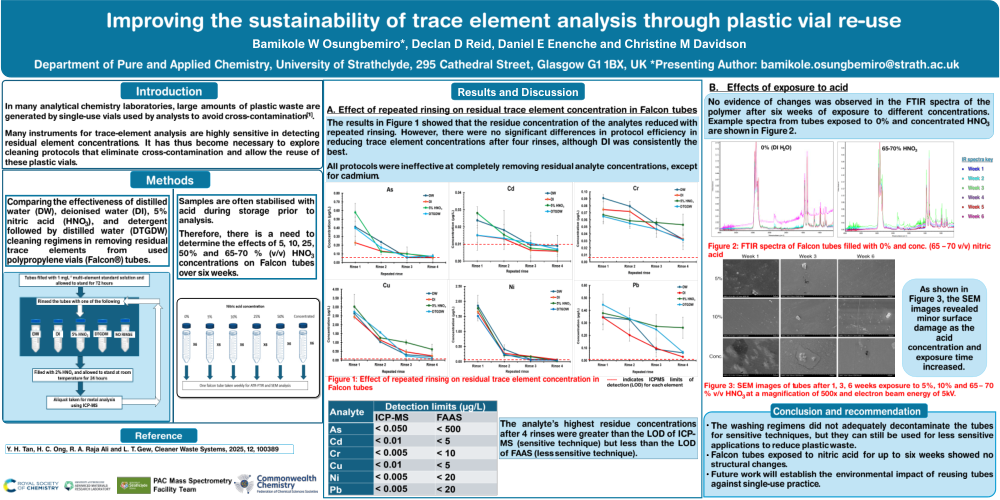
We recognise Bamikole Walter Osungbemiro for their work on Improving the sustainability of trace element analysis through plastic vial re-use.
 Good Health and Wellbeing
We received 74 posters in the Good Health and Wellbeing theme and awarded ten prizes. You can view them in our online gallery.
Good Health and Wellbeing prize winners
The ten winners in the Good Health and Wellbeing theme are:
Rhoda Olatuyi
University of Ghana, Legon-Accra, Ghana
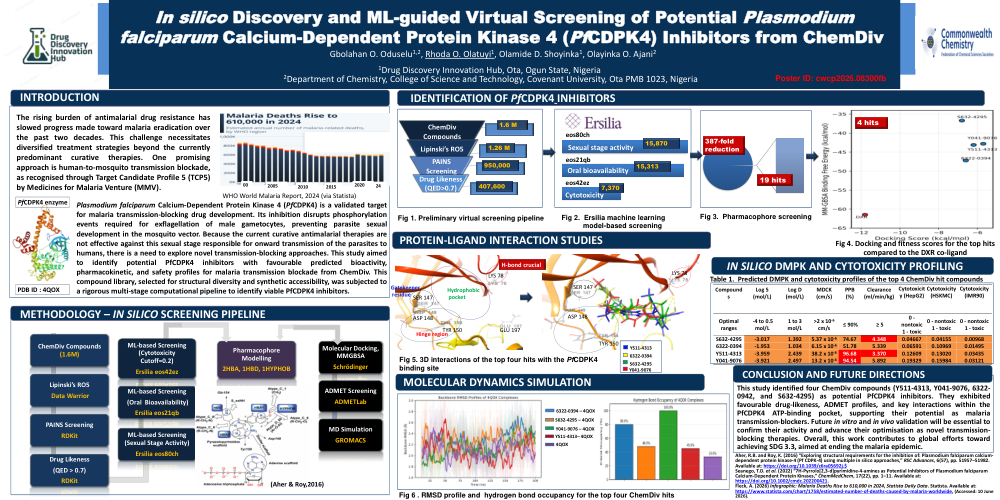
We recognise Rhoda Olatuyi for their work on In silico Discovery and ML-guided Virtual Screening of Potential Plasmodium falciparum Calcium-Dependent Protein Kinase 4 (PfCDPK4) Inhibitors from ChemDiv.
Juliya Johny
CSIR-IICT, Hyderabad, India
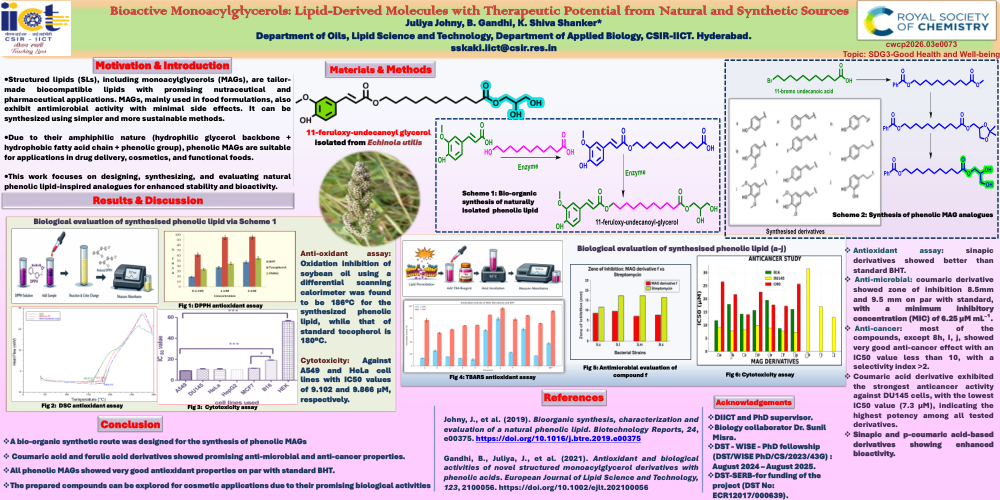
Juliya Johny is recognised for their work on Bioactive Monoacylglycerols: Lipid-Derived Molecules with Therapeutic Potential from Natural and Synthetic Sources.
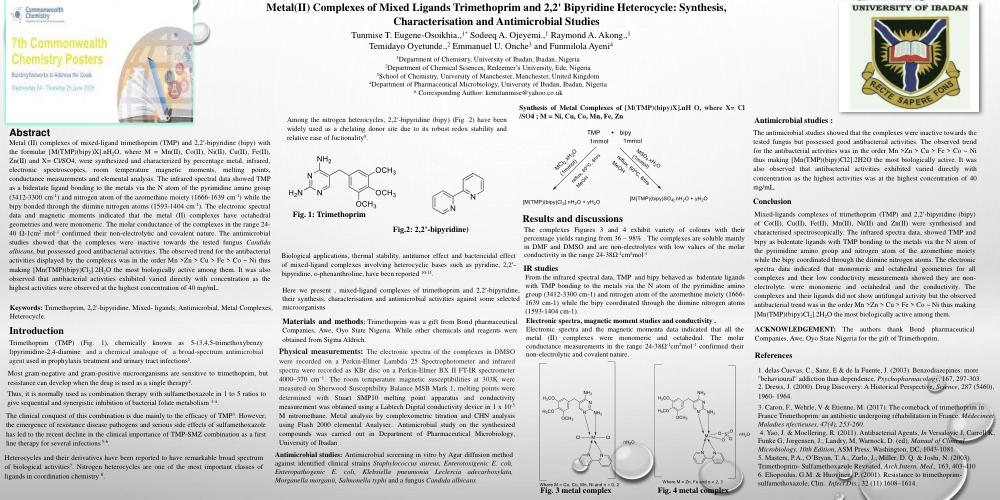
Tunmise Eugene-Osoikhia
University of Ibadan Nigeria, Nigeria
We recognise Tunmise Eugene-Osoikhia for their work on Metal(II) Complexes of Mixed Ligands Trimethoprim and 2,2′ Bipyridine Heterocycle: Synthesis, Characterisation and Antimicrobial Studies.
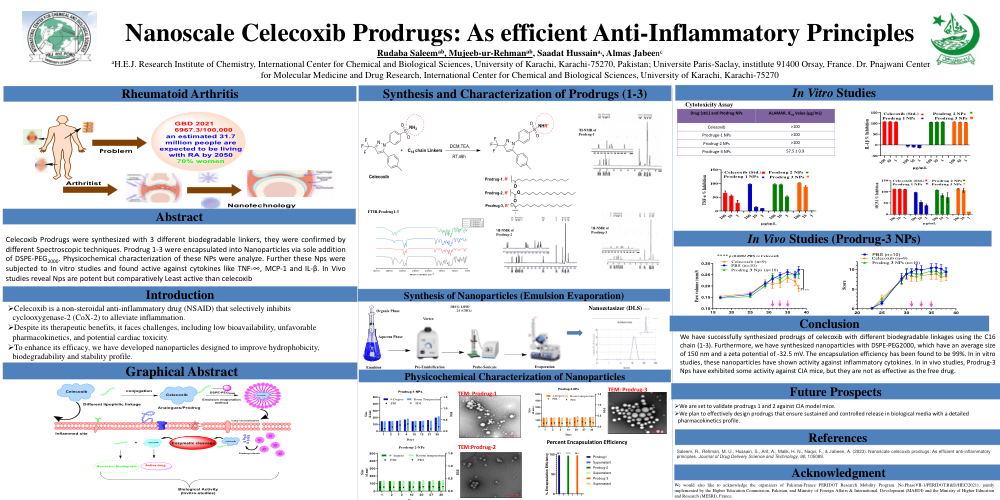
Rudaba Saleem
University of Karachi, Pakistan
We recognise Rudaba Saleem for their work on Nanoscale celecoxib prodrugs: As Efficient Anti-Inflammatory Principle.
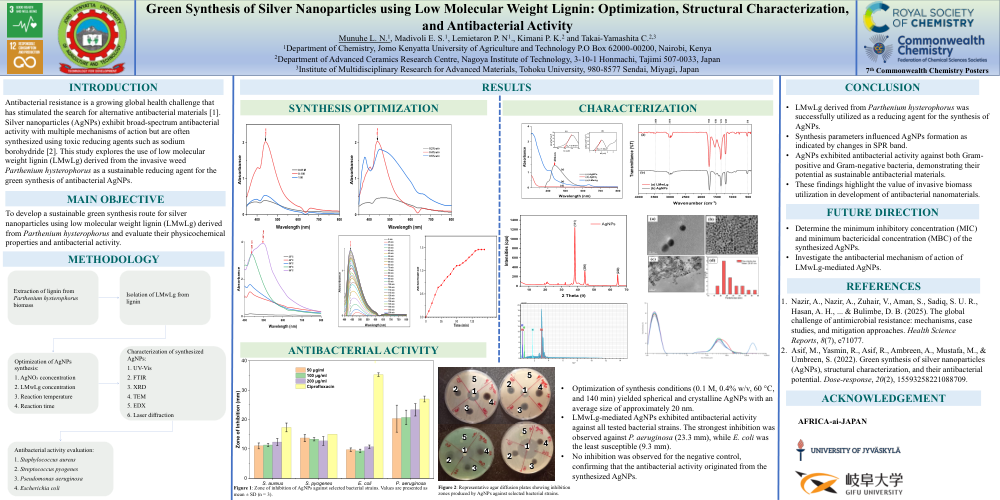
Lucy Munuhe
Jomo Kenyatta University of Agriculture and Technology, Kenya
Lucy Munuhe is recognised for their work on Green synthesis of silver nanoparticles using low molecular weight lignin: optimization, structural characterization, and antibacterial activity.
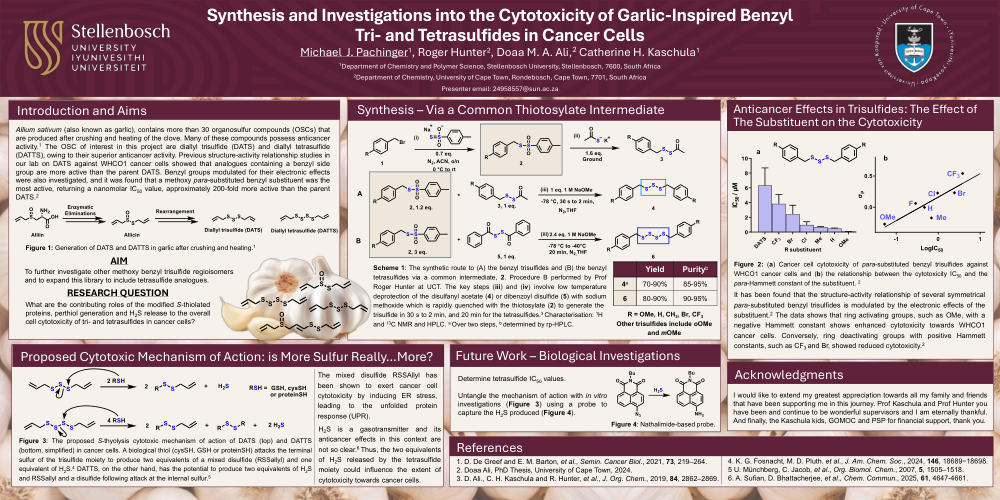
Michael Pachinger
Stellenbosch University, South Africa
We recognise Michael Pachinger for their work on Synthesis and Investigations into the Anti-Cancer Activity of Garlic-Inspired Benzyl Trisulfides.
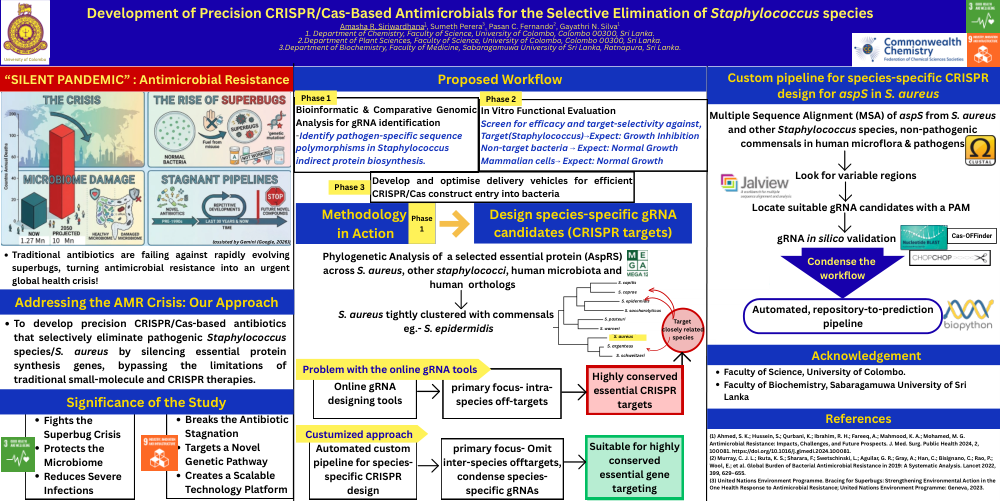
Amasha R. Siriwardhana
University of Colombo, Sri Lanka
We recognise Amasha R. Siriwardhana for their work on Development of Precision CRISPR/Cas-Based Antimicrobials for the Selective Elimination of Staphylococcus species.
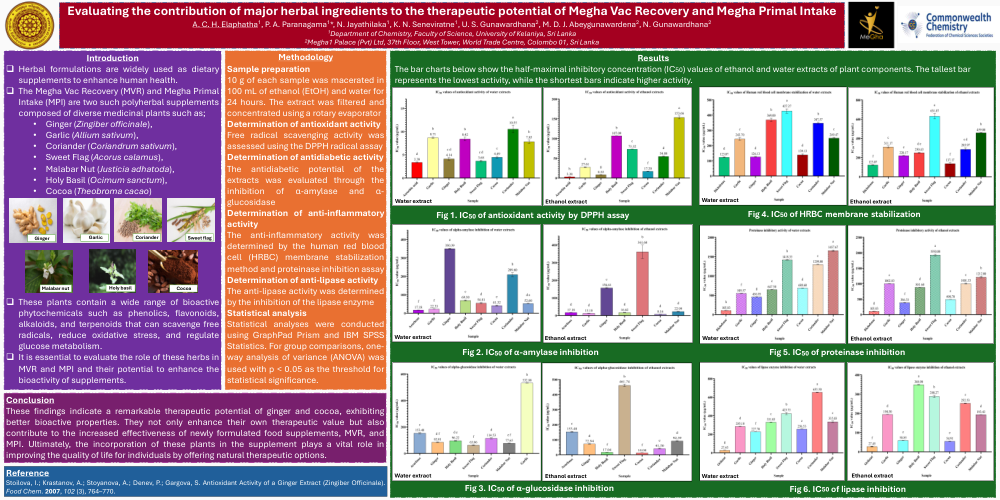
Abhiru Chathurma Elaphatha
University of Kelania, Sri Lanka
We recognise Abhiru Chathurma Elaphatha for their work on Evaluating the contribution of major herbal ingredients to the therapeutic potential of Megha Vac Recovery and Megha Primal Intake.
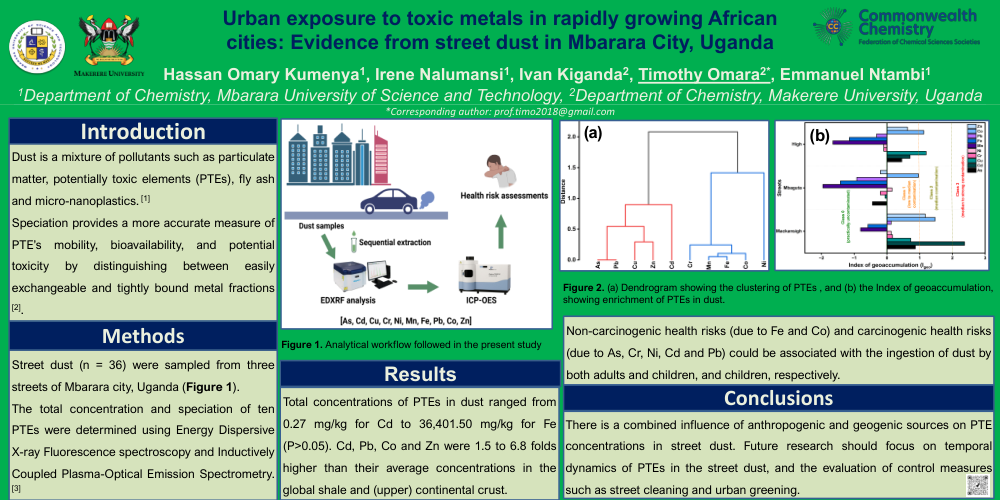
Timothy Omara
Makerere University, Uganda
Timothy Omara is recognised for their work on Urban exposure to toxic metals in rapidly growing African cities: Evidence from street dust in Mbarara City, Uganda.
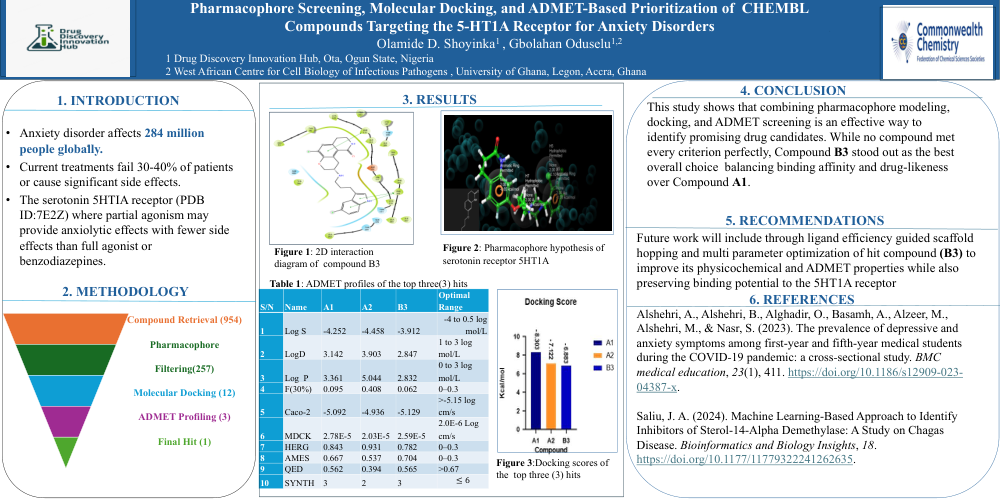
Olamide Shoyinka
Drug Discovery Innovation Hub, Nigeria
Olamide Shoyinka is recognised for their work on Pharmacophore Screening, Molecular Docking, and ADMET-Based Prioritization of ChEMBL Compounds Targeting the 5-HT1A Receptor for Anxiety Disorders.
Community, Education and Industry
We received 10 posters in the Community, Education and Industry theme and awarded two prizes. You can view them in our online gallery.
Community, Education and Industry prize winners
The two winners in the Community, Education and Industry theme are:
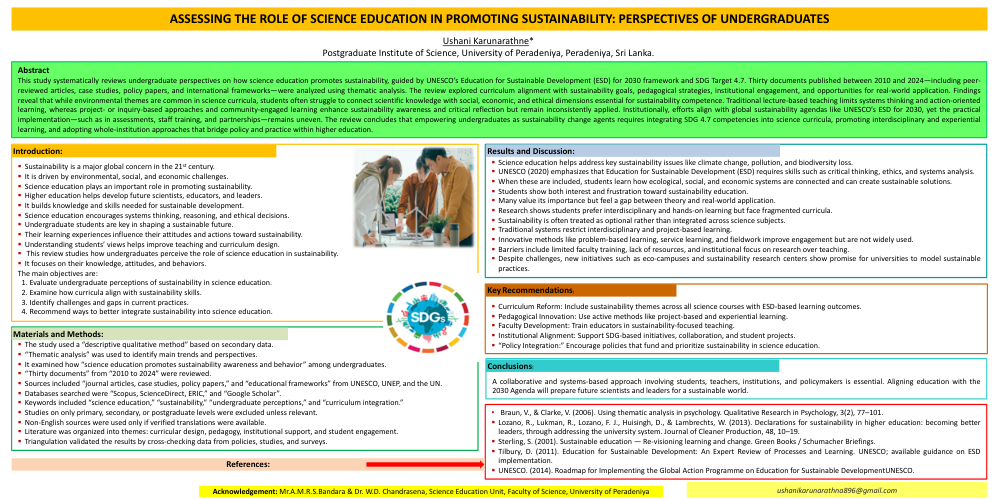
Ushani Karunarathne
University of Peradeniya, Sri Lanka
We recognise Ushani Karunarathne for their work on Interdisciplinary Project-Based Learning in Higher Education for Advancing the Sustainable Development Goals through Science.
Joshua Oyetade
North-West University, South Africa
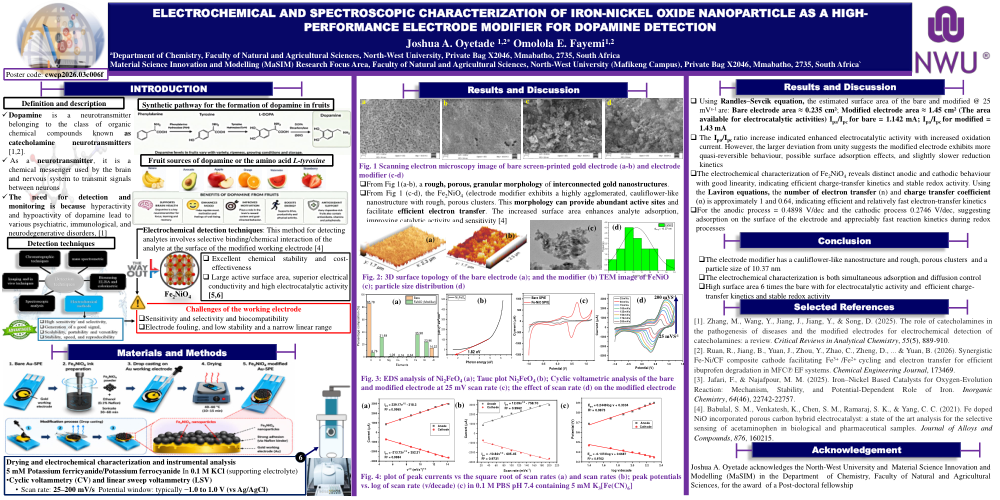
We recognise Joshua Oyetade for their work on Electrochemical and Spectroscopy Characterization of Iron-Nickel Oxide Nanoparticles as High-Performance Electrode Modifier.
Session Chairs and Judges
We would like to take this opportunity to acknowledge and sincerely thank our international panel of session chairs and judges. This event would simply not be possible without their expert knowledge, dedication and service to the community. Please join us in thanking these researchers:
Dr Philip Norcott, Australia
Dr Adam Lee, Australia
Dr Juliana Vidal, Canada
Professor Priyani Paranagama, Sri Lanka
Professor Neil Coville, South Africa
Dr Bunty Sharma, United Kingdom
Dr Sam Perry, United Kingdom
Dr May Lee Low, Malaysia
Dr Pasar Dar, India
Professor Fran Kerton, Canada
Dr Bharat Kumar, India
Dr Jamal Hassan, United Kingdom
Dr Masnun Naher, Australia
Dr Andrew Shore, United Kingdom
Dr Moses Tlhabologo Kabomo, Botswana
Dr Sameem Bilqees, Australia
Professor Sarah Masters, New Zealand
Dr Rakhi Khandelwal, India
Dr Adeboye Omolara, Nigeria
Dr Nilay Karchaudhuri, India
Dr Jessica White, Australia
Dr Rupesh Galikwad, India
Professor Ireshika De Silva, Sri Lanka
Dr Taryn Reid, United Kingdom
Dr Stephen Hendry, United Kingdom
Dr Then Yoon Yee, Malaysia
Dr Lydia Rhyman, Mauritius
Professor Clint Veal, South Africa
Dr Wade Peterson, Australia
Dr Michael Forde, Trinidad and Tobago