Executive Board
Our Executive Board is made up of 13 individuals who are all committed to and passionate about building a strong Commonwealth Chemistry community that champions the chemical sciences and its contribution to society.
Established in February 2020, the Board includes the President, President-Elect or Past President, six appointed members and five elected members. Each board member serves a term of three years with the exception of the President. They serve one year as President-Elect, two years as President and one year as Past President.
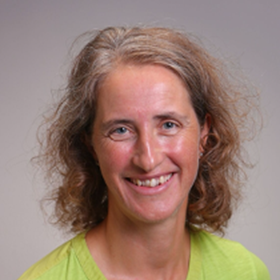
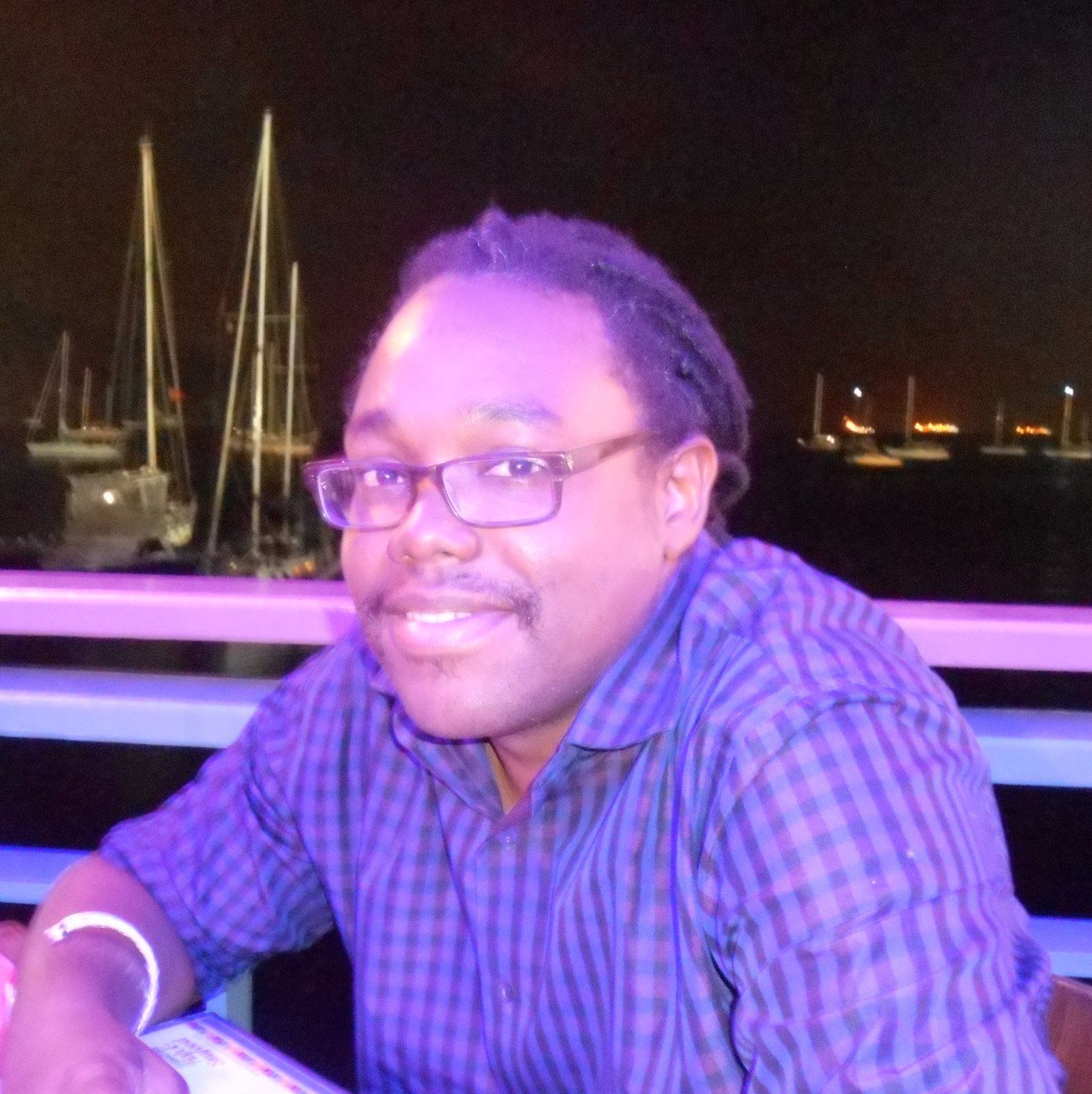
Michael Forde Trinidad and Tobago 
President
Term of office 2025 – 2027
Dr Michael Forde obtained his MChem at the University of Edinburgh in 2008 and a PhD in heterogeneous catalysis at Cardiff University in 2012. He currently holds a senior lectureship in chemistry at the University of the West Indies St Augustine Campus and administers the final year speciality courses in industrial chemistry, green chemistry, and science.
Michael’s academic research lies at the frontiers of materials design for green catalysis with research projects covering green methane partial oxidation, zeolite and nanomaterials synthesis and photocatalytic upgrading of biomass. He is also involved in several outreach initiatives and projects ranging from end-of-life tyre recycling to community-based greenhouse crop cultivation.
Outside of academia, Michael runs a cosmetic and personal care manufacturing business and is Director of the Divine Temple of Light in Trinidad and Tobago.
Michael’s vision for Commonwealth Chemistry:
“That Commonwealth Chemistry will create opportunities for excellent science and organic global partnerships among the family of Commonwealth chemists.”
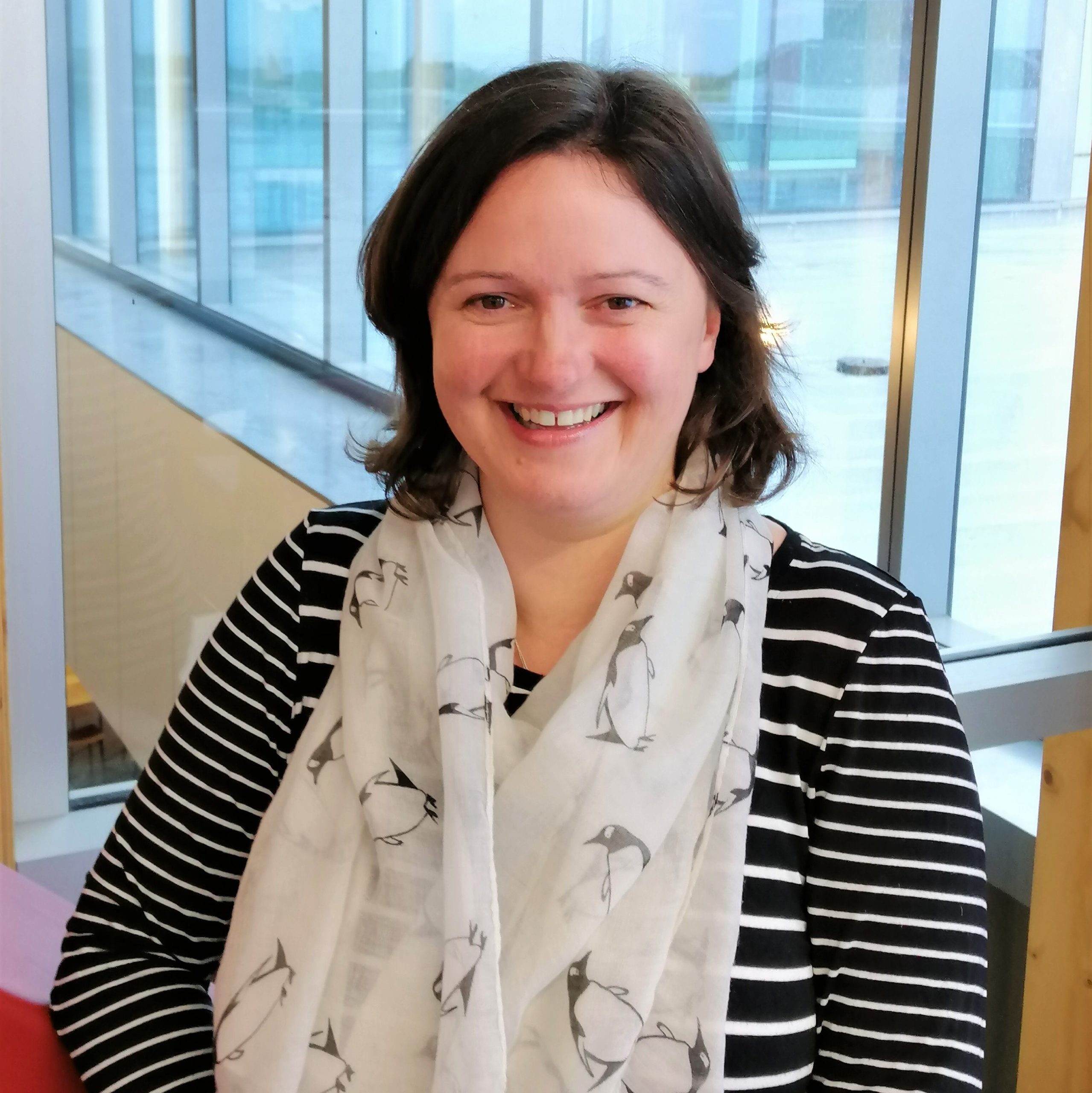
Sarah Masters New Zealand 
President-Elect
Term of office 2026 – 2027
Associate Professor Sarah Masters is a structural chemist in the School of Physical and Chemical Sciences at the University of Canterbury, New Zealand.
Educated at the University of Edinburgh in Scotland, she moved to New Zealand in 2011. Her research focuses on the determination of molecular structure in the gas phase and computational approaches to supporting gas phase experimental data interpretation. She is a passionate teacher of many aspects of chemistry, from ‘what is in an atom and how do we know?’, to advanced methods to analyse molecular materials.
Sarah is Past President of the New Zealand Institute of Chemistry.
Sarah’s vision for Commonwealth Chemistry:
“A connected and inclusive Commonwealth Chemistry community that empowers collaboration, builds scientific capacity across all member nations, and amplifies the role of chemistry in addressing global challenges and achieving the UN Sustainable Development Goals.”
Members
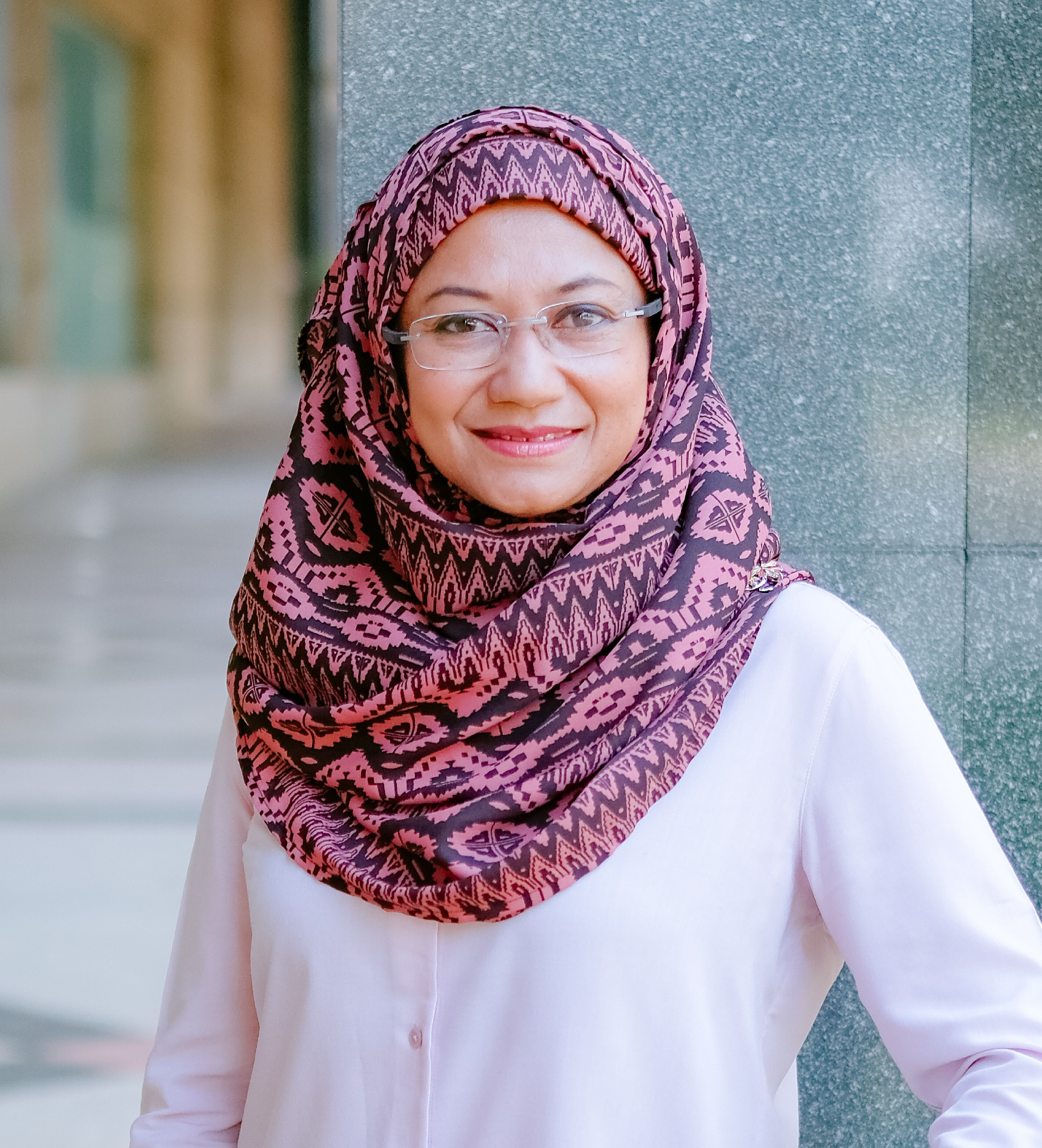
Yang Farina Abdul Aziz Malaysia 
Term of office 2025 – 2028
ChM Dr. Yang Farina Abdul Aziz was a Professor of Inorganic Chemistry at Universiti Kebangsaan Malaysia (UKM). Apart from her scientific endeavours she was a member of a Think-Tank Group to advise the Ministry of Education on policy matters pertaining to academia and internationalisation.
Dr Yang Farina has published more than 130 scientific papers in international and national journals as well as more than a hundred proceeding papers. She has written books on inorganic chemistry as well as on water pollution. Her most recent book is “Water and Society in Malaysia”. She has also co-authored books and written articles on higher education.
Currently Dr Yang Farina is retired from UKM. However, she remains active in Institut Kimia Malaysia and Akademi Sains Malaysia. She was elected as the Vice President of IKM for the term 2024/25. Dr Yang Farina was appointed as a Titular Member of Division II (Inorganic Chemistry) of the International Union of Pure and Applied Chemistry (IUPAC) for the period of 1 January 2024 to 31 December 2025. She is a Fellow of the Malaysian Academy of Sciences Malaysia (ASM). As a Fellow she has served as the Chairman of the National Science Challenge Steering Committee. Committee. She is also the Alternate Chairman to the Chemical Discipline in ASM. She is also an active member of ASM’s Water Committee.
Dr Yang Farina is married and has a son Dr. Muhammad Haziman Mohamad Fauzi who is serving as a medical officer in The National Heart Institute. In her spare time, Dr Yang Farina loves walking, hiking, workout in the gymnasium, writes and debates in her Facebook and Instagram, and reads novels.
Yang’s vision for Commonwealth Chemistry:
“Commonwealth Chemistry celebrates diversity, but we stand united in educating our young minds and shaping a brighter future for everyone. No nation will be left behind.”
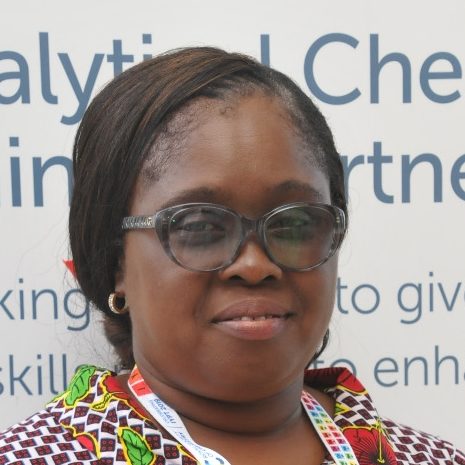
Genevieve Adukpo GHANA 
Term of office 2025 – 2028
Dr. Genevieve Etornam Adukpo is a Senior Lecturer at the Department of Chemistry, School of Physical Sciences, University of Cape Coast (UCC). She holds a PhD in Synthetic Organic Chemistry from Universät Bremen, Germany, and MPhil and BSc degrees in Chemistry (Natural Product) and a Diploma in Science Education, all from the University of Cape Coast, Cape Coast, Ghana. Her areas of research include isolation and characterization of bioactive natural products, chemical analysis of foods and preparative organic synthesis.
Dr. Adukpo was the immediate acting Head of the Department of Chemistry, UCC. She was also the Director at the Centre for Gender Research, Advocacy and Documentation (CEGRAD), UCC. She has keen interest in Gender-Science, Technology & ICT and has been coordinating and facilitating gender related activities. Through her involvement at CEGRAD, Dr Adukpo has organised and promoted lots of gender activities like Gender Awareness and Gender Analysis workshops, harnessing Girls’ Potential in Science Education, Sexual Harassment Training, among others. She is also involved in promoting and empowering women and girls in STEM and lifelong education.
Dr. Adukpo has been a Local Trainer in Ghana for PACN-Royal Society Chemistry – GC-MS Training since 2016. She is also the campus Co-ordinator for the Organisation for Women in Science for the Developing World (OWSD), UCC, and a past President for the Ghana Science Association, Cape Coast Branch.
Dr. Adukpo belongs to the following professional bodies: Royal Society of Chemistry (RSC), Pan African Chemistry Network (PACN), Graduate Women International (GWI), Western Africa Network of Natural Products Research Scientists (WANNPRES), Organization for Women in Science for Developing Countries (OWSD), Ghana Chemical Society (GCS), Ghana Science Association (GSA), Ghana Association of University Women (GAUW) under Graduate Women International (GWI)
Genevieve’s vision for Commonwealth Chemistry:
“That Commonwealth Chemistry will facilitate and equip the developing world in the area of chemical education.”
Ireshika De Silva SRI LANKA 
Term of office 2024 – 2027
Ireshika De Silva is a Professor in Chemistry at the Department of Chemistry, University of Colombo, Sri Lanka. She obtained her PhD in Organic Chemistry from Mississippi State University, USA. She has over 10 years of experience as a chemistry lecturer and about 18 years of experience as a researcher in the field of organic chemistry and natural product chemistry.
Professor De Silva is a Lifetime Member of the Institute of Chemistry Ceylon (IChemC), the successor to the Chemical Society of Sri Lanka, and a Chartered Chemist. She has been a Council member of the IChemC for 10 consecutive years and served the Institute in different capacities such as the Joint Secretary, the Assistant Editor, and the Editor.
As an educator her commitment lies in nurturing the next generation of chemists by popularizing chemistry among students following their secondary education. Holding the position of the Chairperson of the Chemistry Olympiad Sri Lanka committee, she plays a key role in leading the preparation of students for both National and International Chemistry Olympiad competitions. She is an active member of the Women Chemists committee of the IChemC which is engaged in empowering future women chemists in Sri Lanka. She served as the Chairperson of the Environment Committee, a statutory committee of the Sri Lanka Association for the Advancement of Science (SLAAS) which is the premier scientific body of Sri Lanka.
Ireshika’s vision for Commonwealth Chemistry:
“To foster a world where chemistry serves as a catalyst for a positive change, addressing demanding challenges and contributing to fulfilling sustainable development goals”.

Oluwole Familioni Nigeria 
Term of office 2025 – 2028
Professor Oluwole Babafemi Familoni is a distinguished chemist and academic with an extensive career in organic synthesis. He obtained his B.Sc. (Hons) in Chemistry in 1981, followed by an M.Phil. and Ph.D. in Organic Chemistry from the University of Lagos, Nigeria, in 1986 and 1990, respectively. He was a Predoctoral Fellow at INSA, Rouen, France (1988), and a Postdoctoral Fellow at the University of Waterloo, Canada (1993–1994), under Professor Vic Snieckus as a CIDA/NSERC Research Fellow.
Appointed Lecturer II, he rose to full Professor in 2004. His research has earned multiple awards, including Royal Society of Chemistry (RSC) grants, the JWT Jones Travelling Fellowship (1997, 2007), the Alfred Bader Research Fellowship (1999, 2003, 2007), the German DAAD Fellowship (2022), and a TWAS Basic Research Grant (2015). In 2023, he secured a TETFund research grant of ₦23 million for diabetes wound healing.
A Fellow of the RSC (London) (FRSC), Chemical Society of Nigeria (FCSN), Institute of Public Analysts of Nigeria (FIPAN), Nigerian Academy of Science (FAS), and Institute of Chartered Chemists of Nigeria (FICCON), he is also a Chartered Chemist.
At the University of Lagos, he has served as Head of Chemistry (2002–2005), Dean of Science (2008–2012), and Deputy Vice-Chancellor (Academics and Research) (2019–2022). Nationally, he has been a member of the University of Lagos Council and the Governing Council of the Institute of Chartered Chemists of Nigeria. Internationally, he chaired the RSC (Nigerian Section) and served on the Pan African Chemistry Network Advisory Board (2014–2021).
His research focuses on heterocyclic synthesis and natural product chemistry, particularly sulfur-containing heterocycles and bioactive plant compounds. He has supervised 15 Ph.D. students, many now professors.
Oluwole’s vision for Commonwealth Chemistry:
“To promote excellence in chemical sciences across the Commonwealth by fostering collaboration, capacity building, and innovative research, focusing on sustainability, mentorship, and impactful contributions to society.”
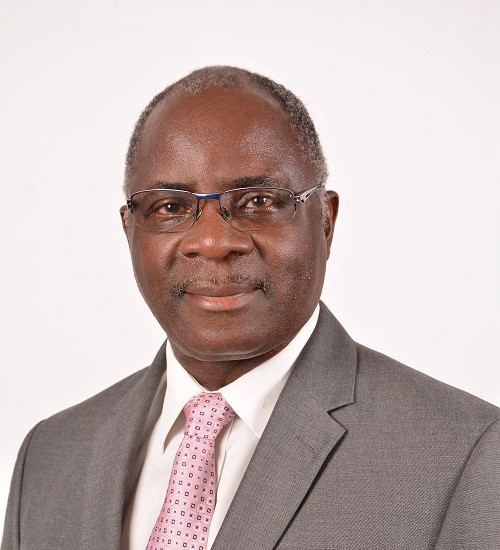
Mosotho George Lesotho 
Term of office 2026 – 2029
Mosotho J. George is a Professor of Analytical and Applied Chemistry at the Department of Chemistry and Chemical Technology, National University of Lesotho (NUL). He obtained both PhD and MSc in Analytical Chemistry from University of Johannesburg, South Africa, and the BSc Hons and BSc from NUL. His areas of research include sample preparation for chromatography and mass spectrometry analysis of different chemicals and matrices, from environment to natural products. He has published widely in areas of science education/policy and chem-preneurship.
Prof. George has led a number of initiatives in Lesotho geared towards promotion of science appreciation earning him an Excellence Award from the Minister of Communications Science and Technology together with the award by the NUL VC both in 2017. He was instrumental in the establishment of the NUL Research and Innovations Committee, the ad hoc committee that gave birth to the NUL Innovation Hub where ideas with potential commercialisation are incubated. He founded and directed a television show showcasing and promoting science and innovation broadcasted in local language making content accessible to everyone despite the education level.
His passion in empowering the youth has led to establishment of the Chemical Society of Lesotho, aimed at bringing together the young scientists and assisting them to identify and harness opportunities that would otherwise elude them. While he was studying in South Africa, he created a pathway for many Basotho chemistry graduates to access postgraduate studies in University of Johannesburg where close to 10 PhDs have obtained subsequently.
Prof George has been a Head of Department and a Dean of Faculty of Science and Technology. He served in the 13th, and currently serving in the 15th University Council representing Senate in both terms. He served as member of Board of Directors of the Lesotho Standards Institution, a Deputy Chairperson of Made in Lesotho Cooperative (MILCO), an initiative to create a market for Lesotho innovation products that struggle to access the formal market flooded by the imported products from the neighbouring South Africa. Additionally, he was a national coordinator for the NUSESA – a regional network of users of scientific equipment in Eastern and Southern Africa which honed his administrative capability and international outlook. He recently championed a science open day initiative where over 2000 high school pupils were afforded an opportunity to witness performance of physical experiments alongside the Merck Curiosity Cube event in two districts in Lesotho.
He holds membership to the following professional bodies: Royal Society of Chemistry (RSC), African Network of Analytical Chemists (SEANAC), Chromatography Society of South Africa (ChromSA), Chemical Society of Lesotho (ChemSoL), just to mention a few.
George’s vision for Commonwealth Chemistry:
“That Commonwealth Chemistry bridges the gap between the developed and the least developed world and promote chemistry research in the LDC members.”
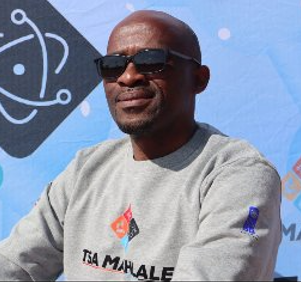
Tim Harte Australia 
Term of office 2026 – 2027
Tim Harte GAICD, MRACI, DLI is a materials chemist, governance leader, and disability advocate committed to advancing sustainability, innovation, and inclusion across science and society.
Tim recently completed a PhD at Deakin University’s Institute for Frontier Materials and CSIRO, where Tim’s research focused on solvate ionic liquid electrolytes for structural energy storage applications. Alongside research, Tim has built extensive leadership experience across scientific, disability, and public sector governance.
Tim currently serves on the Board of the Royal Australian Chemical Institute (RACI), is an Independent Director of the Australian Federation of Disability Organisations (AFDO), and is a member of the Victorian Disability Advisory Council. Tim also co-founded RACI’s ChemAbility Network to strengthen inclusion and accessibility within the chemistry profession.
Mr Harte is passionate about ensuring chemistry remains a future-focused, collaborative profession that empowers early-career chemists, champions diversity, and contributes meaningfully to Australia’s sustainability and innovation agenda.
Tim’s vision for Commonwealth Chemistry:
“To strengthen collaboration across the Commonwealth to advance scientific excellence, sustainability, and inclusive leadership in chemistry, while empowering emerging chemists from diverse backgrounds to drive innovation and equitable global impact.”

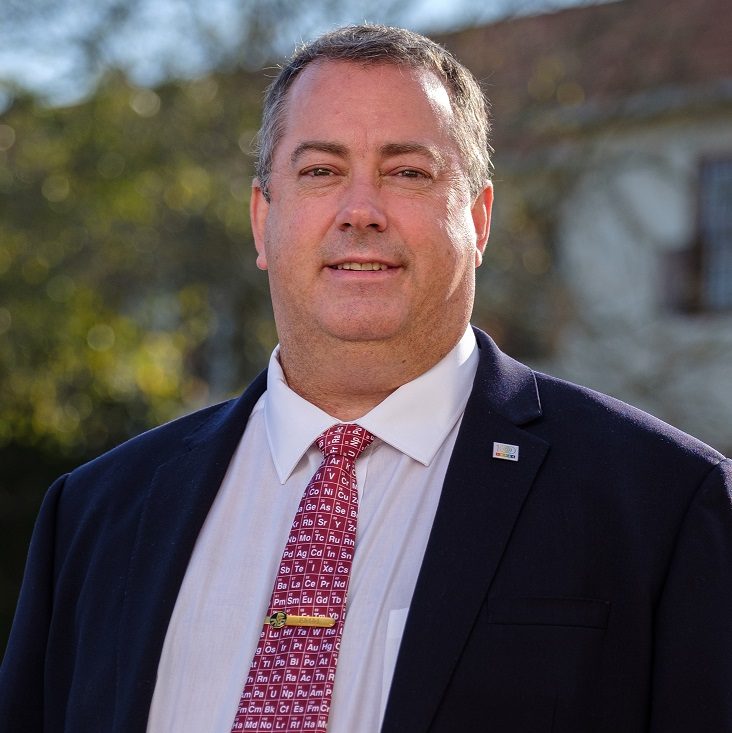
Peter Mallon South Africa 
Term of office 2026 – 2029
Professor Peter Mallon has served as Executive Head of the Department of Chemistry and Polymer Science at Stellenbosch University since 2014. He joined Stellenbosch University in 2002 after spending time at the University of Missouri, Kansas City, in the USA, first as a postdoctoral research associate and then as a visiting assistant professor of chemistry. He currently serves as President of the South African Chemical Institute (SACI) and is a member of the IUPAC Polymer Division and a member of the Subcommittee on Polymer Terminology.
Peter’s research interests lie in the investigation of the structure-property relationship in complex polymer materials including semi-crystalline polymers, multiphase copolymers, nano-structured polymers and nano-filled polymer composites.
In April 2010, Peter received the International Material Science Researcher Award at POLYCHAR 18 in Siegen, Germany.
Peter’s vision for Commonwealth Chemistry:
“To harness the collective knowledge, wisdom and experience of all chemists within the Commonwealth to promote chemistry for the benefit of all.”
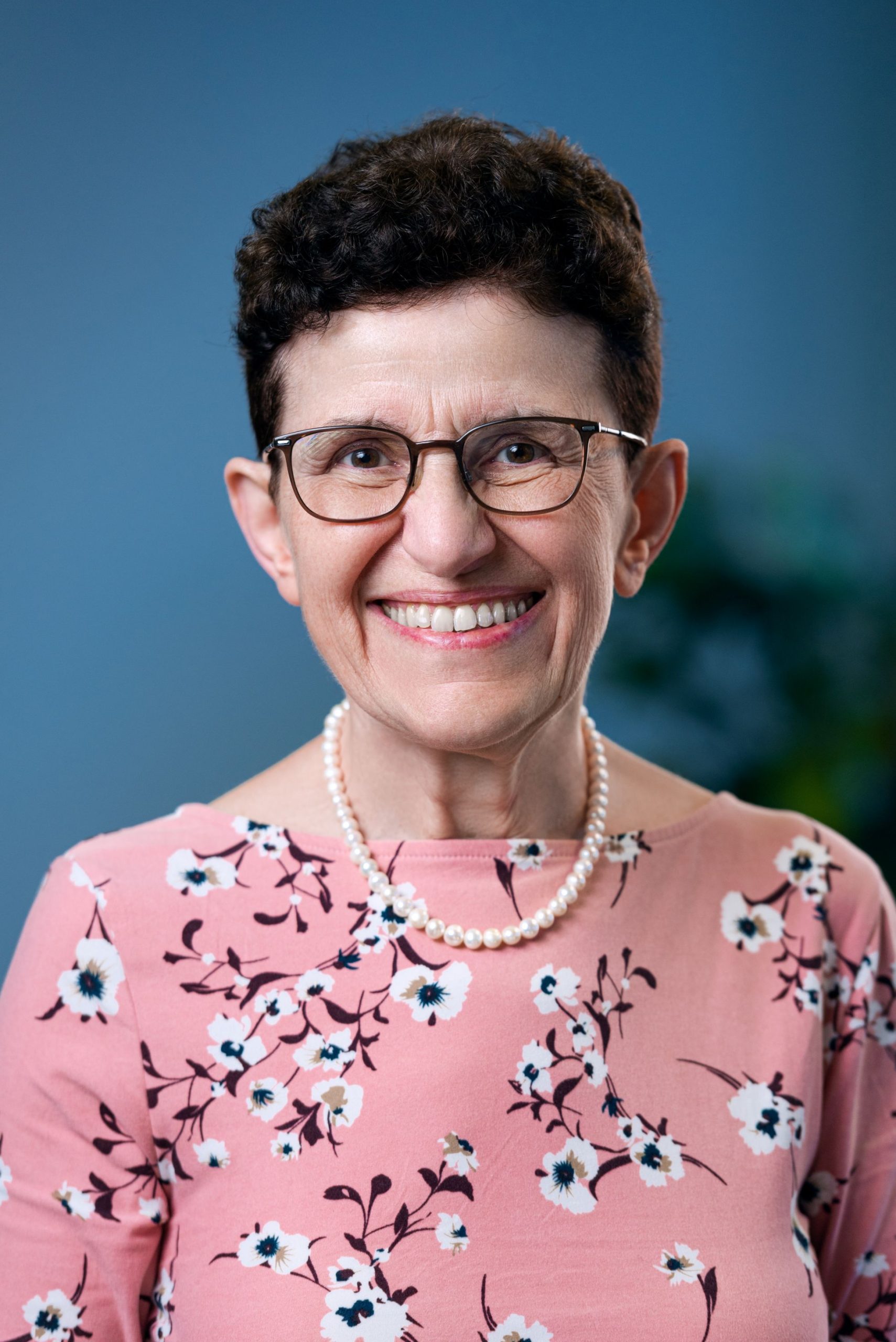
Bice Martincigh South Africa
Term of office 2026 – 2029
Bice Martincigh is a physical chemist in the School of Agriculture and Science. Her research expertise lies in the areas of photochemistry, solution thermodynamics, and environmental chemistry. She is a well-versed academic and has held Visiting Professorships at West Virginia University, the University of Wales in Cardiff, Portland State University and GITAM University. In 2011, she was awarded the University’s Distinguished Teacher Award.
She has served as the President of the South African Chemical Institute (SACI). She is a Fellow of SACI, the Royal Society of Chemistry, the Royal Society of South Africa, and IUPAC. She has been elected as a member of the Academy of Science of South Africa.
Bice’s vision for Commonwealth Chemistry:
“To promote inclusivity, quality education, collaborative spaces, and encourage innovation and entrepreneurship to address societal needs.”
Govindasamy Mugesh INDIA 
Term of office 2025 – 2028
Govindasamy Mugesh is a Professor and Dean of the Division of Chemical Sciences at the Indian Institute of Science (IISc), Bangalore, India. He received his B.Sc. (1990) and M.Sc. (1993) degrees from the University of Madras and Bharathidasan University, respectively. He obtained his Ph.D. (1998) at the Indian Institute of Technology, Bombay. After his post-doctoral stay at the Technical University, Braunschweig, Germany as an Alexander von Humboldt Fellow and at the Scripps Research Institute, USA, he joined IISc as an Assistant Professor in 2002.
Mugesh’s work ranges from fundamental chemical synthesis and reaction mechanism at the molecular level to practical biomedical applications. His work has been recognized by the IIT Bombay Distinguished Alumnus Award, Infosys Prize in Physical Sciences, CRSI Silver Medal, J. C. Bose National Fellowship, Shanti Swarup Bhatnagar Prize, AstraZeneca Excellence in Chemistry Award and Swarnajayanti Fellowship.
Mugesh is a fellow of the National Academy of Sciences (India), Indian Academy of Sciences, Indian National Science Academy and Royal Society of Chemistry (UK). He served as Vice-President and Secretary General of the Chemical Research Society of India (CRSI) and President of the Asian Chemical Editorial Society (ACES). Currently, he serves as a National Representative for IUPAC in the Chemistry and Human Health Division, Elected Council Member of the Indian Academy of Sciences, Member of the Editorial Advisory Boards of Chemistry – A European Journal (ChemPubSoc, Europe) and ACS Omega (ACS).
Mugesh’s vision for Commonwealth Chemistry:
“To foster a vibrant and inclusive chemistry community that drives innovation, promotes sustainability, and contributes to a better future for all through chemistry.”
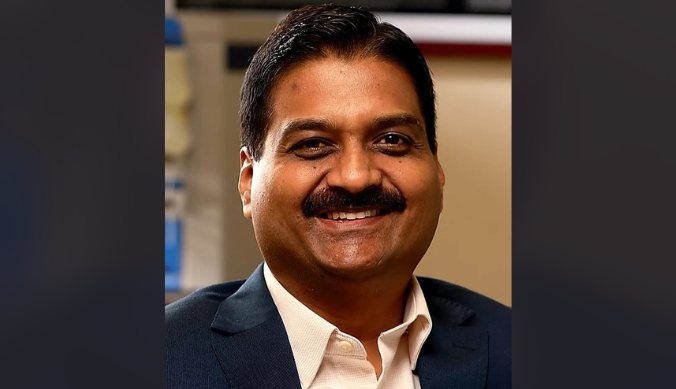
Ale Palermo UK 
Term of office 2024 – 2027
Ale is a chemical engineer with a PhD in materials science. Her independent career began as an Assistant Professor in Argentina, before joining Cambridge University under a Royal Society Visiting Fellowship. She has published over 50 scientific papers in the field of heterogeneous catalysis.
Her previous roles at the RSC have included managing international work in India and Latin America and the setting up and leading the Pan Africa Chemistry Network. She led the Future of the Chemical Sciences initiative to guide the development of the RSC long-term strategy.
Ale’s RSC I&D work has resulted in several influential data led, strategic policy reports aimed at driving change towards an inclusive chemistry culture, many of which have had global reach. . Her work has been recognized twice by the Public Relations and Communications Associations in 2019 and 2020. Ale worked to launch the RSC Bullying and Harassment support line and grant schemes that focus on accessibility and career development. She launched the LGBT+Toolkit and works with partners to support chemistry students and graduates from minoritised racial and ethnic backgrounds to pursue careers in chemistry, and a national mentoring programme for Black, Asian and Minority Ethnic students in year 12. Her most recent work focuses on Socio Economic Inclusion and the launch of a grant scheme to fund research looking at attrition and retention of LGBT+ people within STEM in the UK and the USA.
She is a Fellow of the Royal Society of Chemistry, a life fellow of the Chemical Research Society of India, a member of IUPAC and an honorary Fellow of the Chemical Society of Ethiopia.
Ale’s vision for Commonwealth Chemistry:
“I believe Commonwealth Chemistry will be a forum for chemists with shared values to work together to support the development of chemistry and chemists in every Commonwealth nation.”
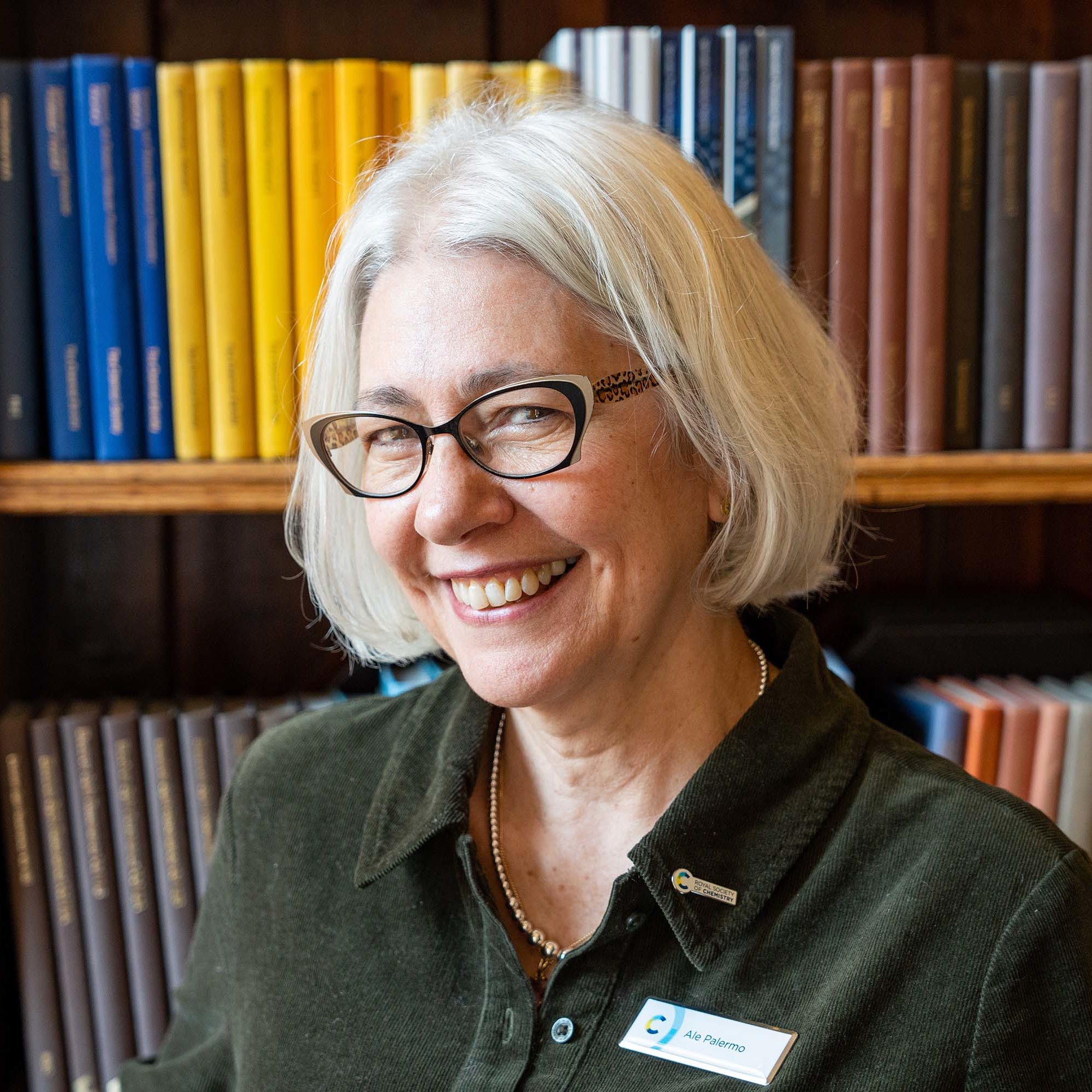
Alison Thompson CANADA 
Term of office 2026 – 2029
Dr Thompson is a Professor of Chemistry at Dalhousie University in Halifax, Nova Scotia. As a faculty member for 20 years, and now the CRC Tier I Chair in Pyrrole Chemistry for Chemical Biology and Energy, she has built an internationally-recognised research program alongside serving a number of service-to-science roles. She earned a B.Sc. Hons(I) from the University of Leicester (UK) and a Ph.D. in organic chemistry from the University of Sheffield (UK).
With support from students and colleagues, Dr Thompson was granted the 2015 Chemistry Professor of the Year Award 2015, the 2018 Dalhousie Award for Excellence in Graduate Supervision, the 2018 Alumni Association Faculty Award of Excellence for Teaching, the 2019 Association of Atlantic Universities Anne Marie MacKinnon Educational Leadership Award, the 2020 Canadian Society for Chemistry Clara Benson Award and the 2021 Chemical Institute of Canada Montreal Medal. In a parallel role, Dr Thompson helps lead the non-profit SuperNOVA, guiding the delivery of hands-on STEM programming to >16,000 youth annually.
Alison’s vision for Commonwealth Chemistry:
My conviction that everyone has a right to access learning underpins my approach as a teacher and a researcher, stems from my youth. In those days, my speech disability meant that many of my contributions could not be uttered, yet now as a university professor I have opportunities to shape the learning landscape. Commonwealth Chemistry provides opportunities to support learning landscapes across the nations.